Before purchasing or developing a property, it is important to understand whether wetlands are present, where they are located, and how they could affect a proposed project.
What is a Wetland Delineation?
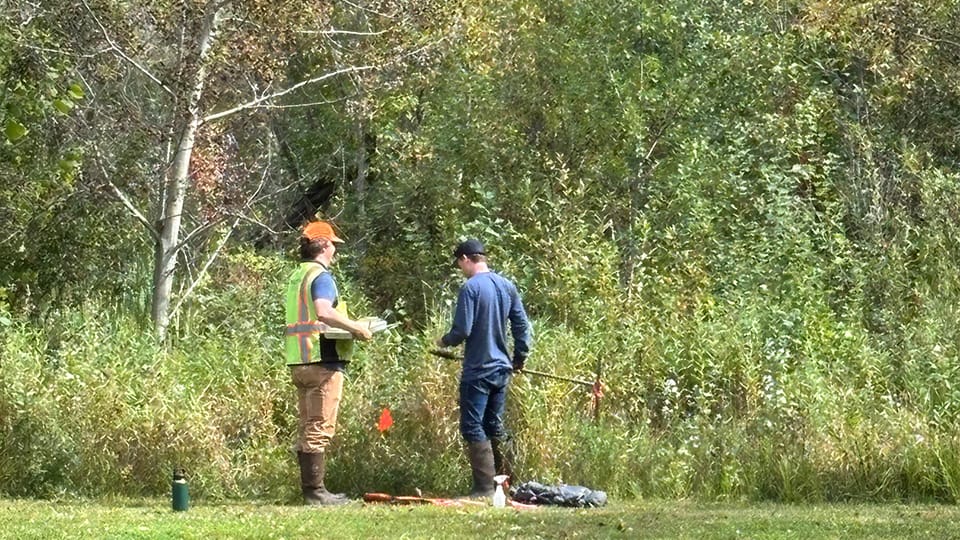
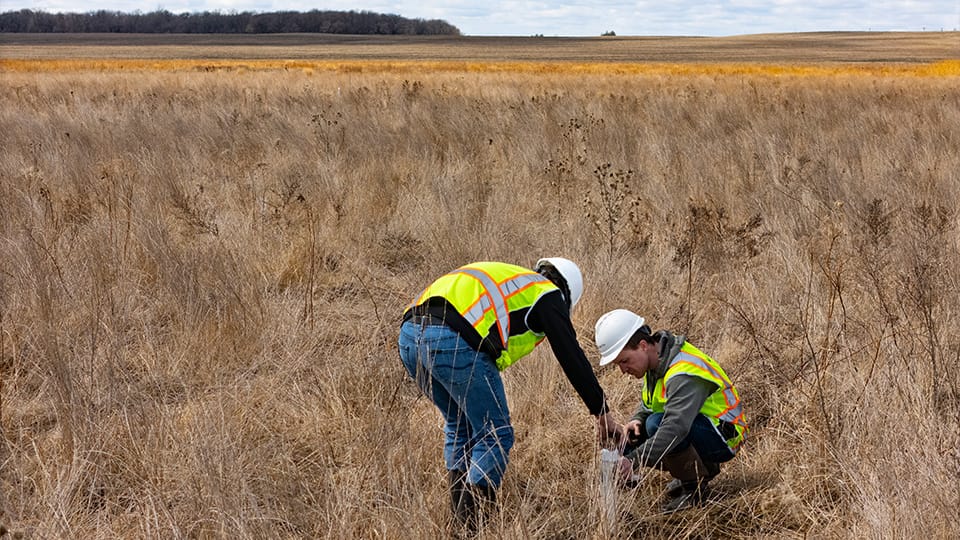
A wetland delineation is the process of identifying and mapping wetlands on a property to determine how they may affect development and what regulations may apply. A delineation evaluates hydrology, soils, and vegetation to determine whether wetland conditions are present.
The results can help developers understand potential development timelines, site constraints, and regulatory requirements before significant time and money are invested in a project. If a property contains extensive wetlands that significantly limit development options, developers may want to consider other properties. If wetlands are limited to smaller areas, environmental professionals can work with developers to determine how the project can be designed to avoid or minimize impacts and identify potential permitting or mitigation requirements.
Why Do Wetlands Matter to Developers?
Wetlands can affect development in multiple ways. Extensive wetlands may leave insufficient space for planned structures, while wetland locations may conflict with roads, parking lots, utilities, setbacks, or other site improvements. Permitting and mitigation requirements can also add significant costs and delays.
Properties with wetlands may appear affordable due to a lower initial investment price. However, a wetland delineation and subsequent consultation with an environmental professional can uncover hidden costs associated with the property. This assessment may help developers make informed decisions on whether the site meets their project goals.
Understanding wetland conditions early in the site-selection and planning process is important. The cost of a wetland delineation is typically small compared to the potential costs associated with redesigning a project, installing additional wetland protection structures and designs, obtaining permits, or mitigating wetland impacts later.
Because regulations can be complex and vary by jurisdiction, developers should consult with an environmental professional early in the process.
What Regulations Apply?
In Minnesota, the Wetland Conservation Act (WCA) generally requires wetlands to be protected from certain impacts through avoidance, minimization, and, when necessary, replacement. Under WCA, a person may not impact a wetland unless the activity qualifies for an exemption or no-loss determination, or a wetland replacement plan has been approved by the appropriate local government unit (LGU).
Wetland regulations are overseen by multiple government agencies, including the LGU, MN Board of Water and Soil Resources, Department of Natural Resources, and the U.S. Army Corps of Engineers. Each agency follows different rules, and a wetland may be subject to different federal, state, and local requirements depending on its location and characteristics. Determining which agencies have jurisdiction over a wetland is an important part of the development process.
Avoid, Minimize, and Mitigate
There are three principles developers must follow to successfully address potential wetland impacts:
- Avoid: Above all, developers should try to create a plan that avoids wetlands entirely. Choosing a site with little to no wetlands is one of the best ways to reduce regulatory challenges and potential project costs. Avoiding wetlands on a selected property can also provide greater flexibility during site design.
- Minimize: If developers cannot avoid wetlands, they should try to minimize impacts, which may include adjusting the location or design of buildings, roads, utilities, and other improvements to reduce wetland impacts.
- Mitigate: If wetland impacts cannot be avoided or minimized, wetland replacement or mitigation may be required. Depending on the applicable regulatory program, this may involve purchasing wetland mitigation credits.
Wetland mitigation credits can be bought from a mitigation bank, which generates credits through the preservation, restoration, enhancement, or creation of wetlands to offset authorized impacts. However, some sites or development designs may not qualify for wetland mitigation. Consultation with the LGU and an environmental professional can help developers determine if a site qualifies for wetland mitigation.
Additionally, mitigation credits can be costly, and availability is limited. The amount and type of mitigation required depends on the project’s impacts and the applicable regulatory programs. Not all credits satisfy every regulatory requirement, so developers should confirm that available credits meet the requirements of the applicable regulatory programs before purchasing them.
Start With a Wetland Delineation
A wetland delineation is one of the best tools developers can use to make informed decisions about a property. By identifying the location and boundaries of wetlands early, developers can better understand potential site constraints, evaluate different site layouts, and identify regulatory requirements before moving too far into the planning process.
Get Professional Guidance Early
The best first step for developers is to contact an experienced environmental professional early in the site-selection or planning process.
Widseth has extensive experience with wetland delineation and permitting. Our environmental professionals understand the federal, state, and local regulations that can affect development and can help clients evaluate potential wetland impacts, permitting requirements, and mitigation options.
If you are considering purchasing or developing a property, contact Widseth to determine whether a wetland delineation can help you make a more informed decision about your site.