Manufacturing facilities are more than just buildings; they are strategic assets that support operational efficiency, workforce needs, and long-term business growth.
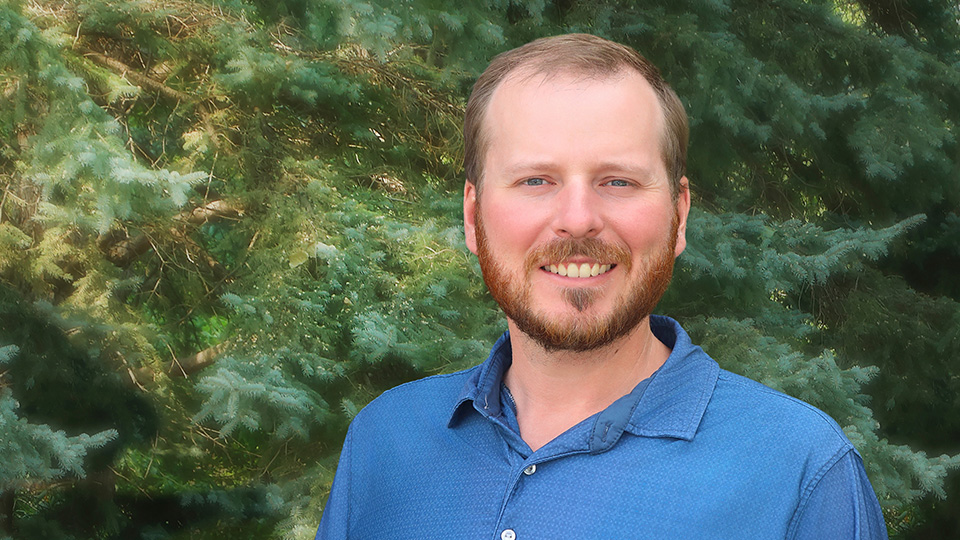
Dana Hlebichuk, an architect and Vice President at Widseth, presented at two Enterprise Minnesota meetings where he shared key trends that shape modern manufacturing environments, as well as how they are planned, designed, and delivered.
Architecture plays a direct role in efficiency, workforce productivity, and brand perception of companies. This was the focal point of Hlebichuk’s presentation.
Today’s facilities are expected to do more than house equipment. They must adapt to your evolving production processes, attract and retain talent, and reflect a positive, resilient image to your clients and surrounding community. – Dana Hlebichuk
Hlebichuk also discussed how design decisions influence long‑term flexibility, construction timelines, and the importance of prioritizing the human experience within industrial environments.
Designing for Flexibility and Growth
A significant trend discussed was the need to design facilities with longevity in mind, making sure that these buildings have the ability to grow with the updates happening around them.
Manufacturing processes often change faster than buildings, which makes adaptability essential.
– Dana Hlebichuk
Facilities are increasingly designed to accommodate expansion, allow for reconfiguration of production lines, and integrate new technologies over time. This flexible approach enables organizations to respond to changing market demands without costly structural modifications.
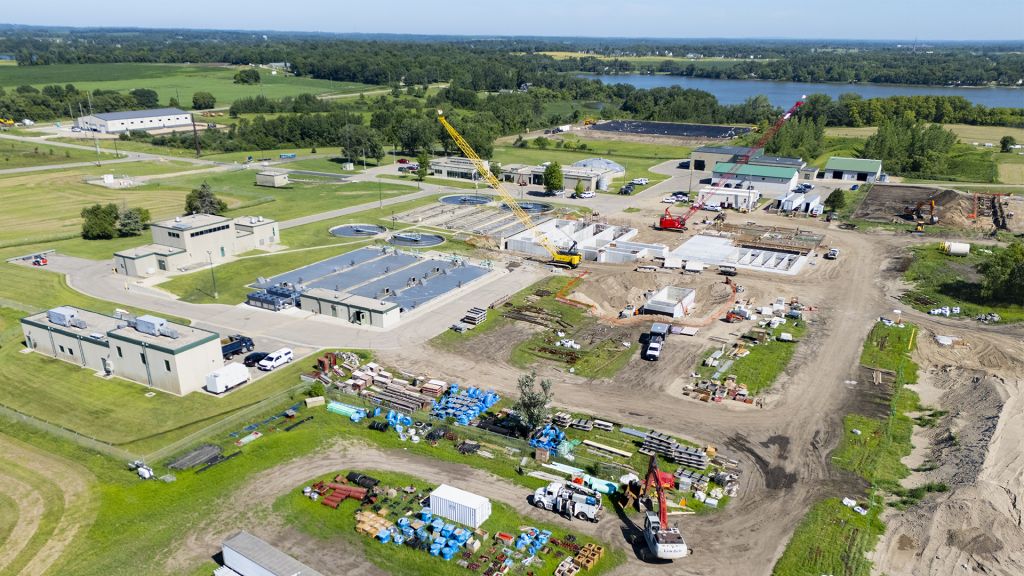
Phased development strategies are also gaining traction. Hlebichuk shared examples of site plans, illustrating how a campus or large facility can grow and adapt over multiple phases.
This approach allows manufacturers to scale operations strategically while aligning capital investment with business growth. – Dana Hlebichuk
Speed Through Prefabrication
To address labor shortages and the demand for faster project delivery, prefabrication and modular construction methods are playing a larger role in industrial projects. Off‑site construction can significantly shorten schedules, reduce construction risk, and accelerate the time it takes for facilities to begin generating revenue.
Hlebichuk compared different building systems, including precast concrete panels and pre‑engineered metal buildings, using photos and data from recently completed projects.
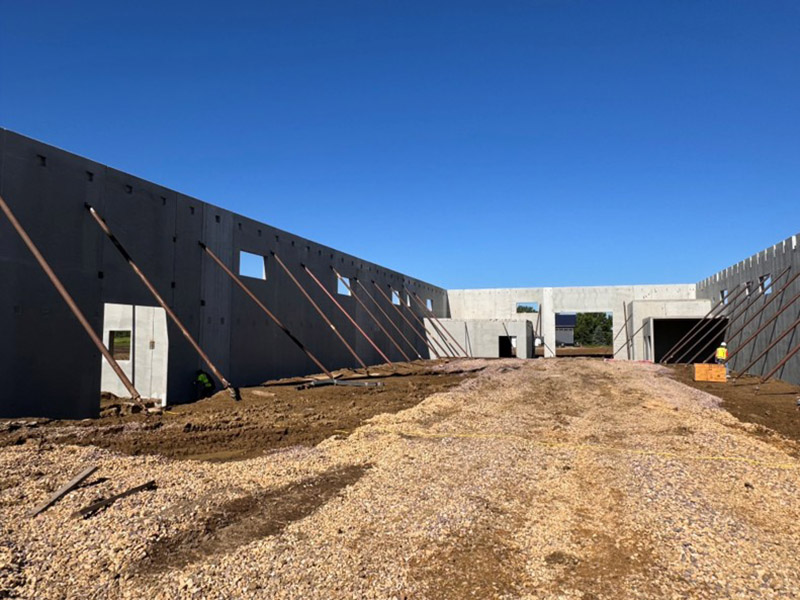
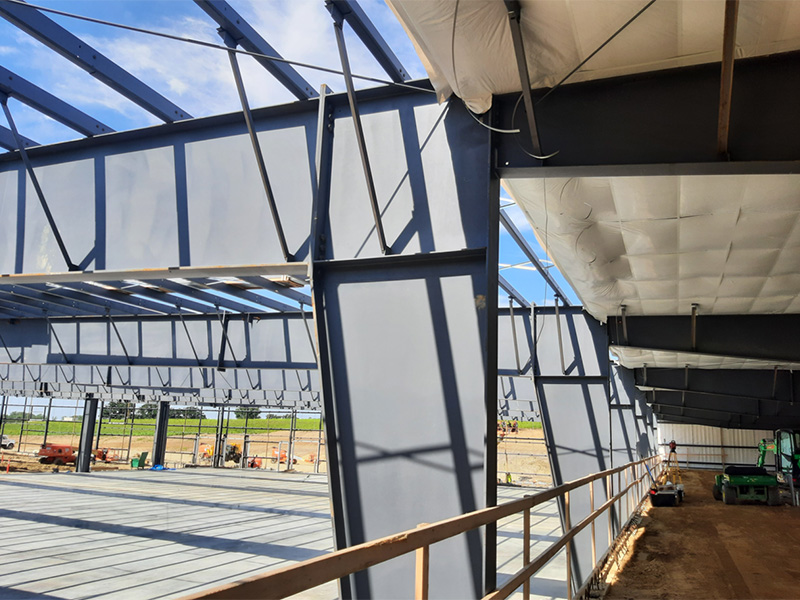
Each option offers different lead times, cost ranges, lifespans, durability, and performance benefits. That flexibility allows owners to align construction methods with their desired opening date, budget, and operational needs. – Dana Hlebichuk
Human‑Centered Manufacturing Environments
Workforce experience is a critical driver of modern facility design. Human‑centered manufacturing environments focus on comfort, safety, and productivity through intentional architectural features and amenities.
Are you losing new hires or experienced employees to competitors with newer facilities and more amenities? Natural daylight in production areas, improved acoustics and air quality, and thoughtfully designed break rooms and collaboration spaces all contribute to employee well‑being, as well as recruitment and retention. – Dana Hlebichuk
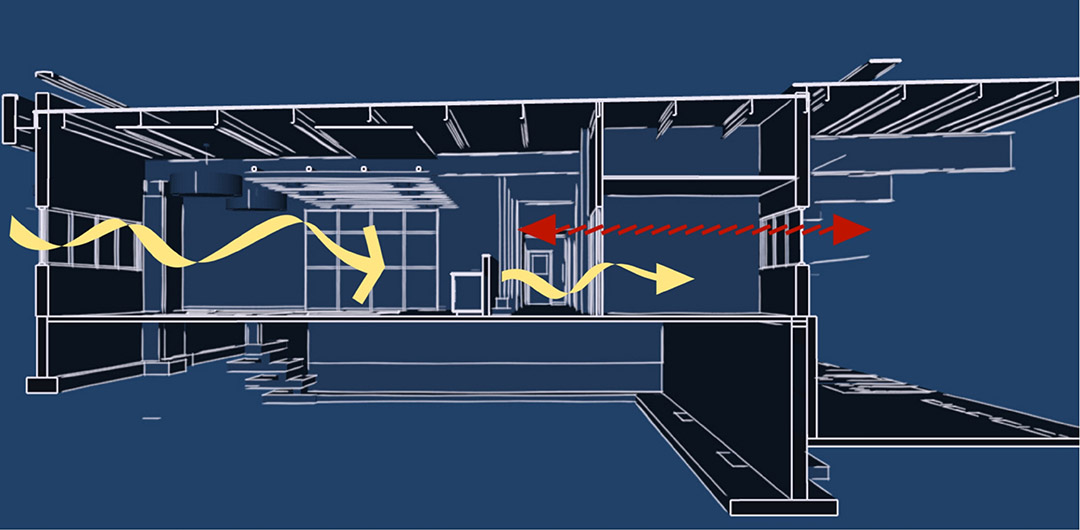
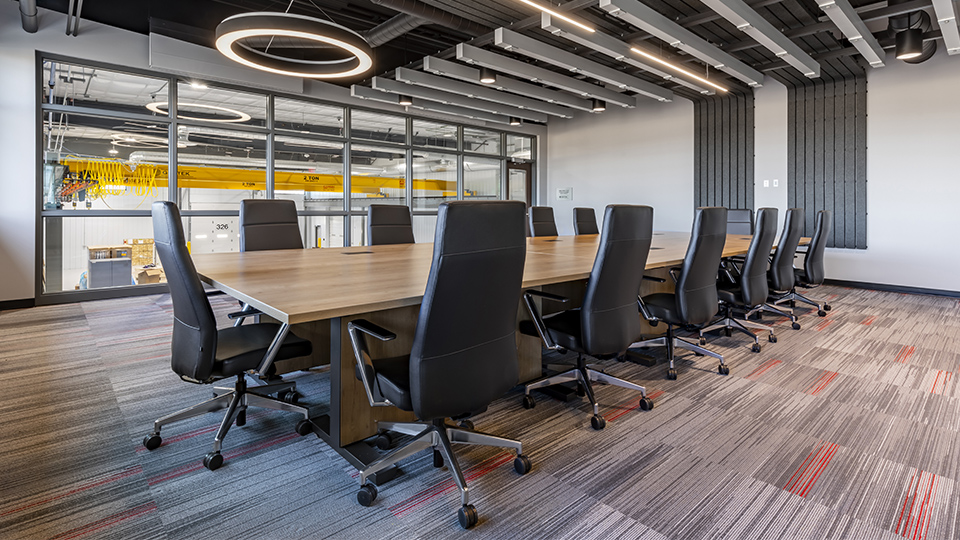
Office spaces are also becoming more closely integrated with production floors. High ceilings, clear sightlines, and daylighting strengthen the connection between teams and operations.
Office spaces are also becoming more integrated with production floors. High ceilings, clear sightlines, and daylighting strengthen the connection between teams and operations.
Hlebichuk shared project examples of how customer‑facing spaces, such as conference rooms and testing areas, can reflect company culture while maintaining visibility into manufacturing processes. In some cases, Hlebichuk uses products made within the facility and incorporates them into the building’s architecture or interior design.
Digital Design and Collaboration
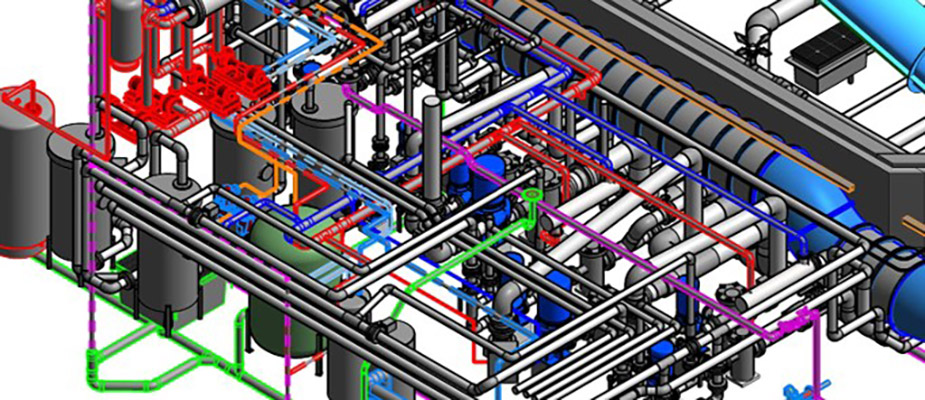
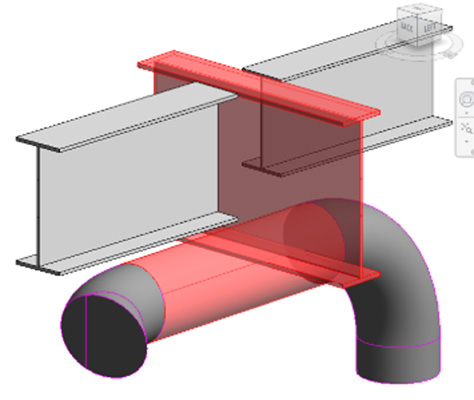
Advanced Building Information Modeling (BIM) and integrated Geographic Information Systems (GIS) are becoming standard tools in facility design. These technologies enhance coordination among architectural, structural, and mechanical systems through real‑time collaboration and clash detection.
The result is fewer construction issues, improved cost control, and better facility management long after construction is complete.
With three‑dimensional BIM models, you can see how everything comes together and identify potential issues long before construction begins. That saves both time and money compared to resolving issues in the field. – Dana Hlebichuk
A Collaborative Design Process
Throughout the discussion, Hlebichuk emphasized how stakeholder input informs every phase of the design process, helping projects align with client goals and operational needs.
When strategic planning, resilient design, prefabrication, and digital collaboration come together, modern manufacturing facilities evolve into powerful, long‑term, competitive assets. – Dana Hlebichuk
For more information about Widseth’s architectural industrial facility expertise, contact Dana.Hlebichuk@widseth.com, at Widseth.