Municipal facilities are among a community’s most valuable long-term investments. City halls, public safety buildings, public works facilities, maintenance garages, and community centers support the essential services residents rely on every day. As communities evolve, however, so do the demands placed on these facilities.
Population growth, changing service expectations, evolving technology, aging infrastructure, and new operational needs can gradually make once-effective buildings less efficient. A comprehensive facility study helps communities understand where they are today while providing a clear roadmap for tomorrow.
More Than a Building Assessment
Many people associate a facility study with evaluating roofs, HVAC systems, or deferred maintenance. While those elements are certainly important, they represent only one piece of the planning process.
A comprehensive facility study examines how buildings support the people working inside them, the services being provided, and the community they serve. By combining facility assessments with operational analysis, space programming, and long-range planning, communities gain the information needed to make confident, informed decisions.
Rather than asking “What’s wrong with our building?” a facility study asks:
- Is our facility supporting the way we operate today?
- Will it continue to meet our needs in 10 or 20 years?
- Are departments organized efficiently?
- Should we renovate, expand, consolidate, or build new?
- Are we investing in the right improvements at the right time?
These conversations often reveal opportunities that extend beyond the physical condition of the building.
Looking Beyond Today’s Needs
Communities rarely remain the same for long. Staff shifts, departments evolve, technology advances, and public expectations change.
Widseth works alongside local government leaders to understand not only how facilities function today, but how they will need to function in the future. Through stakeholder meetings, operational assessments, and space programming, our team helps identify opportunities to improve workflows, increase flexibility, and better position facilities for future growth.
Understanding these needs early allows communities to make proactive decisions rather than reacting to facility challenges as they arise.
Turning Information Into a Long-Term Plan
One of the greatest benefits of a facility study is transforming observations into a practical implementation strategy.
Facility studies help communities:
- Prioritize maintenance and capital improvements.
- Understand future space needs.
- Evaluate renovation, expansion, and replacement options.
- Develop planning-level cost estimates.
- Create phased implementation strategies that align with available funding.
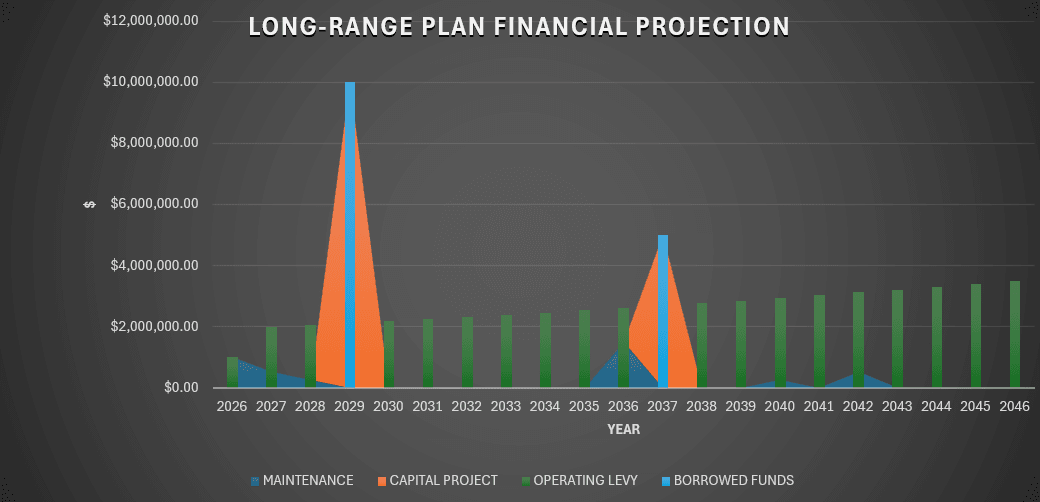
Long-range financial planning helps communities prioritize investments, understand future capital needs, and make informed budgeting decisions.
Rather than responding to unexpected facility issues, community leaders gain a roadmap that supports thoughtful planning and responsible stewardship of public resources.
Exploring Opportunities Before Making Major Investments
Every community’s needs are different. For some, the best solution may be renovating an existing facility. Others may benefit from expanding current space, consolidating departments, or constructing a new building.
Concept development allows communities to evaluate multiple options before committing significant public dollars. Early planning diagrams, conceptual layouts, and renderings help stakeholders visualize possibilities while comparing operational, functional, and financial considerations.
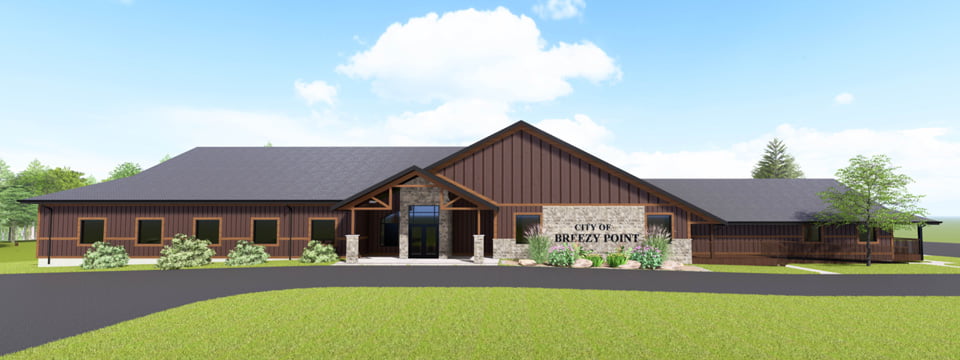
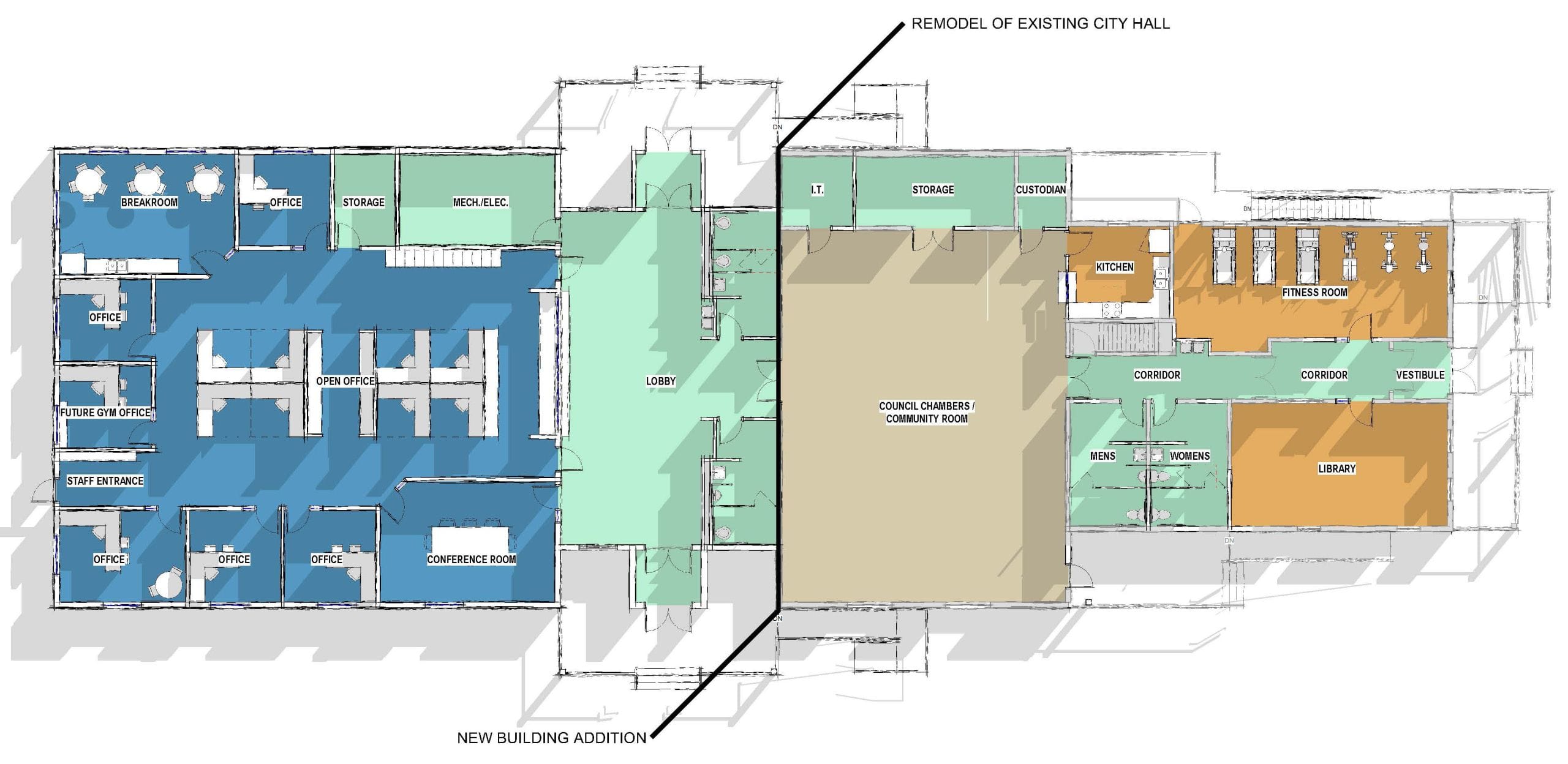
Conceptual planning and renderings allow communities to visualize future opportunities and evaluate alternatives before advancing into detailed design.
Investing With Confidence
By understanding existing conditions, evaluating future needs, exploring alternatives, and developing implementation strategies, communities gain the information needed to make decisions that serve residents today while preparing for tomorrow.
Planning isn’t simply about buildings. It’s about creating facilities that allow communities to operate efficiently, invest responsibly, and deliver strong public services for generations to come.