Many K-12 school districts are navigating the same challenge: aging buildings and infrastructure systems that require increasing attention and investment. Roofs near the end of their service life, outdated mechanical systems, aging utilities, and accessibility improvements can place significant pressure on school budgets.
While these challenges can feel overwhelming, a proactive and strategic approach to facility planning can help districts maximize budgets, reduce surprises, and create safe, functional learning environments for students and staff.
Start with a Comprehensive Facility Assessment
One of the most effective ways to address aging infrastructure is to first understand the full condition of your facilities. A comprehensive facility assessment will help you identify immediate concerns, anticipate future maintenance needs, and prioritize improvements based on urgency and impact.
Assessments typically evaluate:
- Roofing and exterior envelope systems
- Mechanical, electrical, and plumbing infrastructure
- Accessibility and ADA compliance
- Safety and security considerations
- Site circulation, parking, and drainage
- Interior finishes and educational spaces
- Energy efficiency opportunities
Having a clear understanding of facility conditions will help you make informed decisions rather than reacting to surprises later.
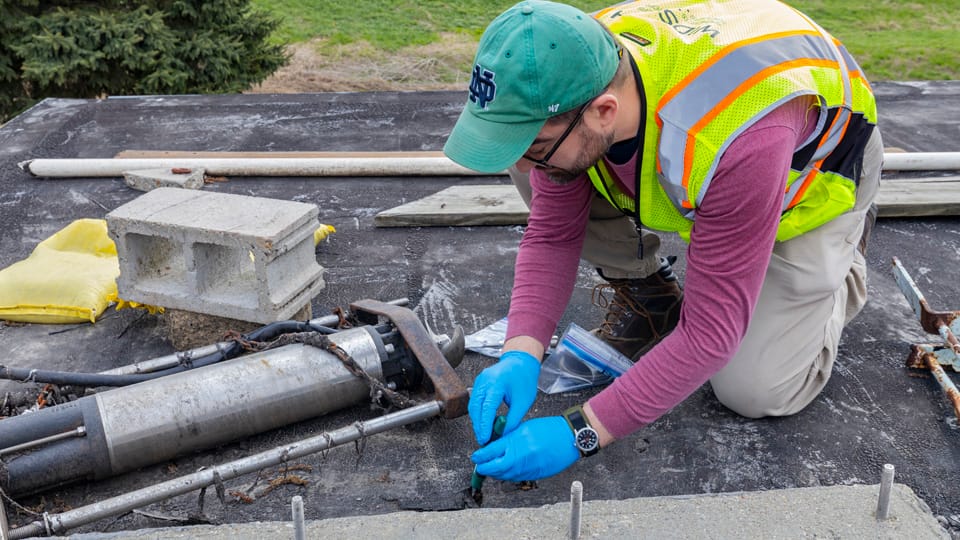
A Widseth team member performs a facility assessment.
Make the Most of LTFM Funding
Long-Term Facilities Maintenance (LTFM) funding provides valuable resources for Minnesota school districts to maintain and improve aging facilities. However, maximizing those dollars requires careful planning and prioritization.
By pairing facility assessments with long-range planning, districts can better identify eligible projects, sequence improvements strategically, and ensure funding is used where it will have the greatest long-term impact.
Examples of projects often supported through LTFM funding include:
- Roof replacements utilizing a new opportunity from the Minnesota Department of Education
- HVAC upgrades
- Plumbing improvements
- Electrical system upgrades
- Accessibility improvements
- Building envelope repairs
- Safety and security enhancements
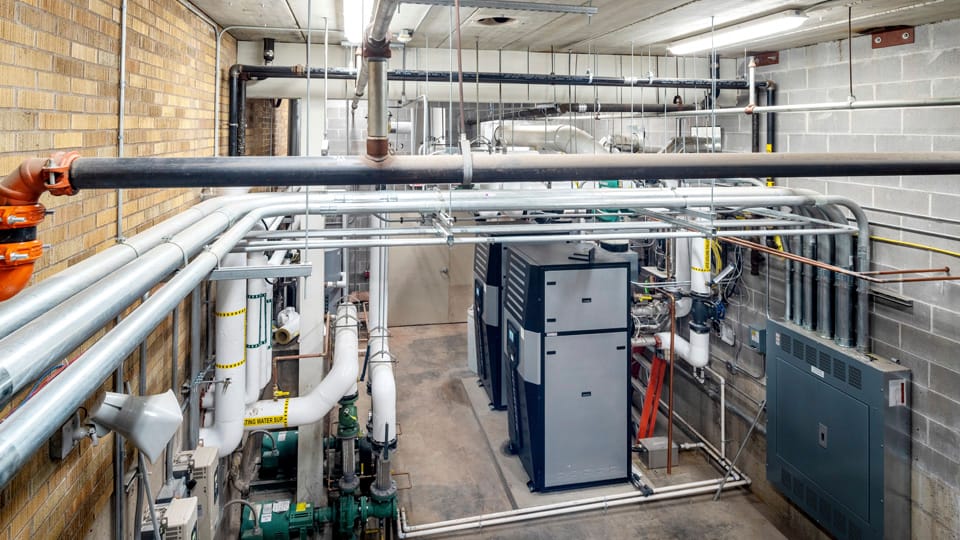
Widseth worked with Wrenshall School District to improve its mechanical systems as part of an indoor air quality project.
Focus on Lifecycle Costs
When evaluating facility upgrades, it’s important to consider lifecycle costs rather than simply selecting the lowest upfront expense. Investments in durable materials and energy-efficient systems can reduce maintenance costs and operational expenses over time. Our team will make recommendations on what’s best for your district.
A Partner in Long-Term Planning
Addressing aging school facilities requires a proactive approach grounded in planning, prioritization, and long-term thinking. Widseth can help your school district by evaluating existing facility conditions, identifying improvement priorities, developing phased implementation strategies, and maximizing the value of your LTFM funding. By combining technical expertise with long-range planning, we help districts make informed decisions that support students, staff, and communities for years to come.